You may have seen the Missouri History Museum’s new “I Am St. Louis” campaign. It celebrates the people, places, and ideas that have shaped our region. It got us thinking: some of the world’s most important human health discoveries and bioscience innovations were born right here in St. Louis — and many of those stories are too often forgotten.
Here are a few medical breakthroughs born in St. Louis that changed the world and still impact lives every day.

In the late 1990s, St. Louis played a leading role in the Human Genome Project, a global effort to map all the genes in human DNA. WashU Medicine was one of the largest contributors to sequencing the human genome, a defining moment in St. Louis bioscience innovation.
This breakthrough unlocked an entirely new era of personalized medicine, enabling doctors to better predict disease risk, tailor treatments, and develop gene-based therapies.
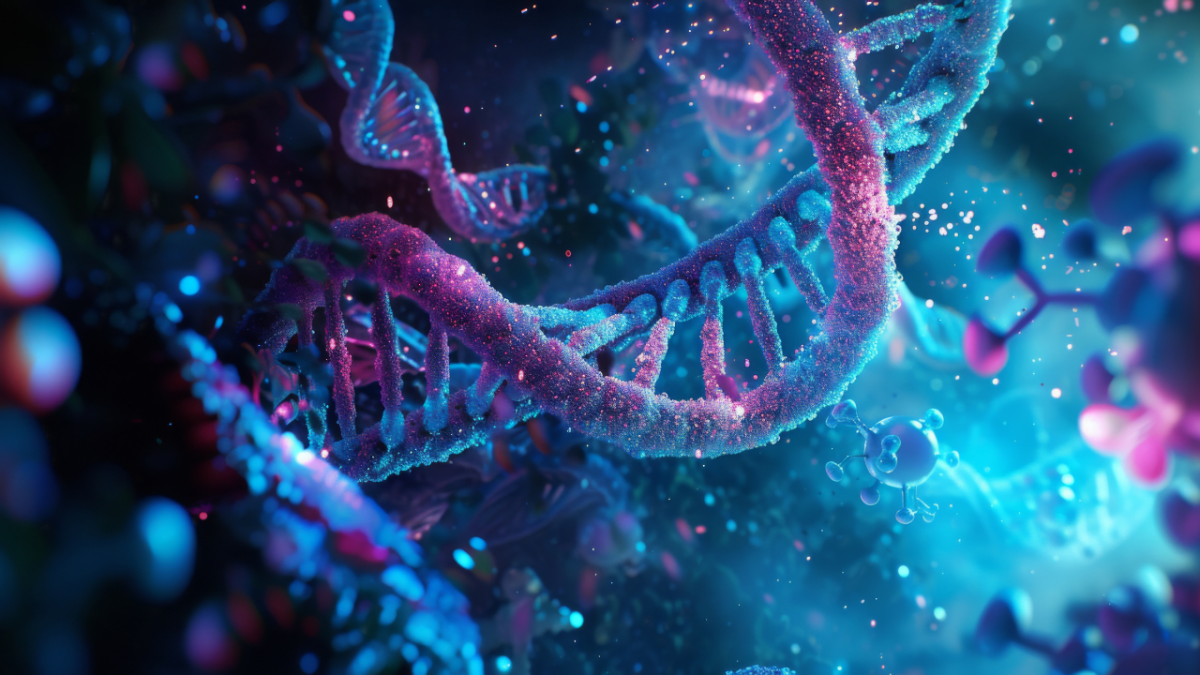
In the 1950s, St. Louis scientists pioneered the biological synthesis of DNA and RNA, revealing how cells build the molecules that carry genetic information – a major human health innovation.
Their work paved the way for genetic engineering, vaccine development, cancer research, and the creation of mRNA-based therapies like the COVID-19 vaccines that saved millions of lives worldwide.
In 1947, Gerty Cori became the first woman ever to receive the Nobel Prize in Medicine, making history from right here in St. Louis. Working alongside her husband, Carl Cori, at WashU Medicine, she uncovered how the human body converts sugar into energy — a process now known as the Cori Cycle.
Gerty Cori’s work laid the foundation for modern diabetes research and treatment. More broadly, it deepened our understanding of how the body’s metabolism works — knowledge that continues to drive medical breakthroughs in St. Louis and beyond nearly 80 years later.
In 1943, Edward Doisy of Saint Louis University School of Medicine won the Nobel Prize in Medicine for revealing the structure of vitamin K, a nutrient essential to blood clotting.
This discovery revolutionized how doctors treat bleeding disorders and paved the way for important blood-thinning and clotting therapies used every day in hospitals around the world.
Researchers in St. Louis developed positron emission tomography (PET) — a groundbreaking imaging technology that allows doctors to see how organs and tissues are functioning, not just what they look like.
PET scans are a critical tool for diagnosing cancer, heart disease, Alzheimer’s disease, and more — saving lives through earlier and more accurate detection.
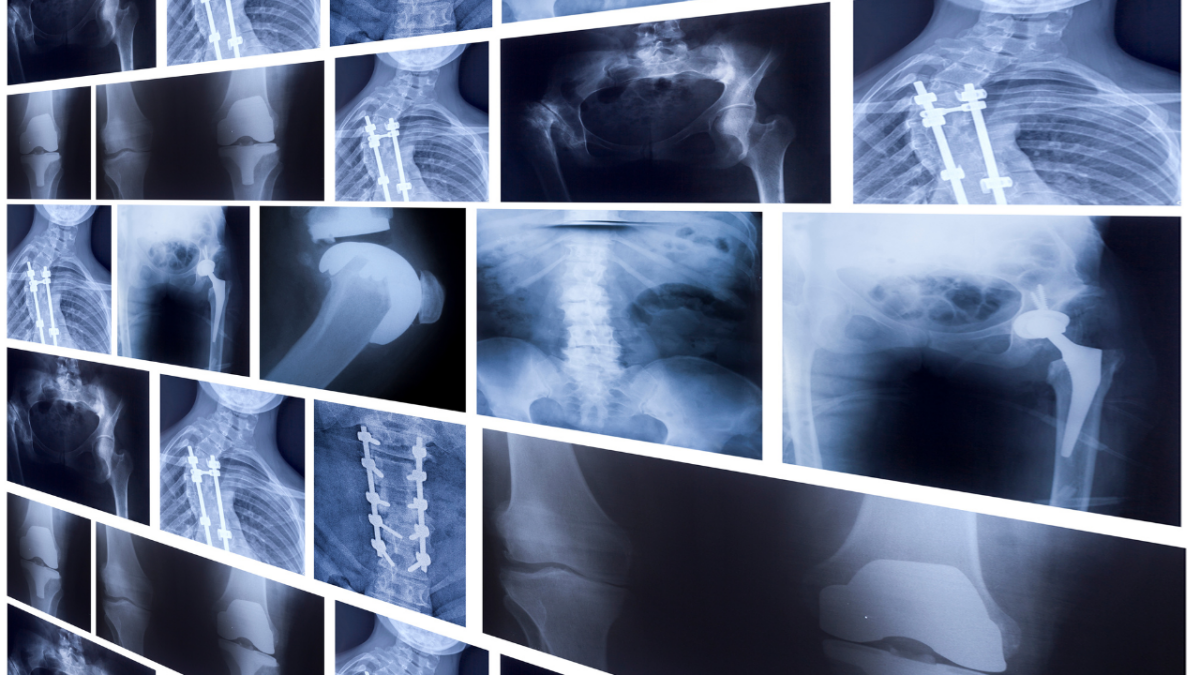
In St. Louis, researchers and industry made significant early contributions to X-ray contrast media (e.g., for gallbladder imaging) many years before PET. (Note: This is often mistakenly described as “inventing the first X-ray” itself, but St. Louis' contributions were in advancing contrast imaging, not the original X-ray discovery.)
These innovations made modern diagnostic imaging possible and remain a cornerstone of radiology and healthcare innovation, from broken bones to heart scans.
St. Louis' research into inflammation pathways led to the creation of Celecoxib (Celebrex), one of the most widely prescribed anti-inflammatory drugs in the world.
Celebrex has helped millions of people manage arthritis pain and swelling safely, improving quality of life for patients around the globe.
These breakthroughs prove that St. Louis has long been a place where human health innovation thrives. While BioSTL wasn’t behind these historic discoveries, for nearly 25 years, we’ve been fueling the next generation of innovators — supporting startups, advancing research, and connecting global ideas to St. Louis.
Today, companies launched and supported by BioSTL are developing breakthrough therapies, curing disease, revolutionizing diagnostics, and reshaping how the world delivers health care.
With the continued support of our community and donors, St. Louis will keep shaping the future of medicine and biotech innovation — just as it has for more than a century.
